

Topic 02
Neck & back pain
With neck and back pain, the structure causing it depends on where it hurts and which movements trigger it. The pain pattern, movement, and nerve status are clues to whether it is a joint or muscle problem, or a situation that needs a medical visit first. For an accurate assessment, see a qualified healthcare professional.

Do you have these symptoms?
- The back of the neck hurts, and it gets worse when tilting the head back or holding one position for a long time
- The back of the neck, tops of the shoulders, and area between the shoulder blades feel tight, worse after long computer or phone use
- The low back hurts and the pain spreads to the buttocks and thighs, but not below the knee
- The whole low back feels stiff, worse with bending, twisting, or lifting, and gets worse as the day goes on
- The middle of the back (thoracic spine) hurts
- Stiff in the morning, with pain when starting to move
Causes and understanding
- Mechanical low back pain
- Comes from the spinal joints, discs, and surrounding soft tissue, commonly due to repeated load and overuse. It often comes and goes.
- Neck pain
- Neck pain that does not spread into the arm can come from many tissues, including the facet joints (small joints at the back of the spine), discs, and muscles at the back of the neck.
- Mid-back pain
- The thoracic spine is attached to the ribs, so it moves less and disc herniations are rare. Sudden, severe pain needs to be checked for other causes.
- Facet joint causes
- Develops after repeated backward bending or twisting and becomes more common with age. Typically it hurts when leaning back and eases with movement.
- Muscle causes
- Muscle tension, trigger points (tender spots in a muscle that hurt when pressed and refer pain elsewhere), and long-held postures can cause pain.
Assessment from a chiropractic perspective
- Health historyAssessment typically asks about pain location, when it started, what makes it worse or better, what the pain feels like, how far it spreads, and how it changes over time.
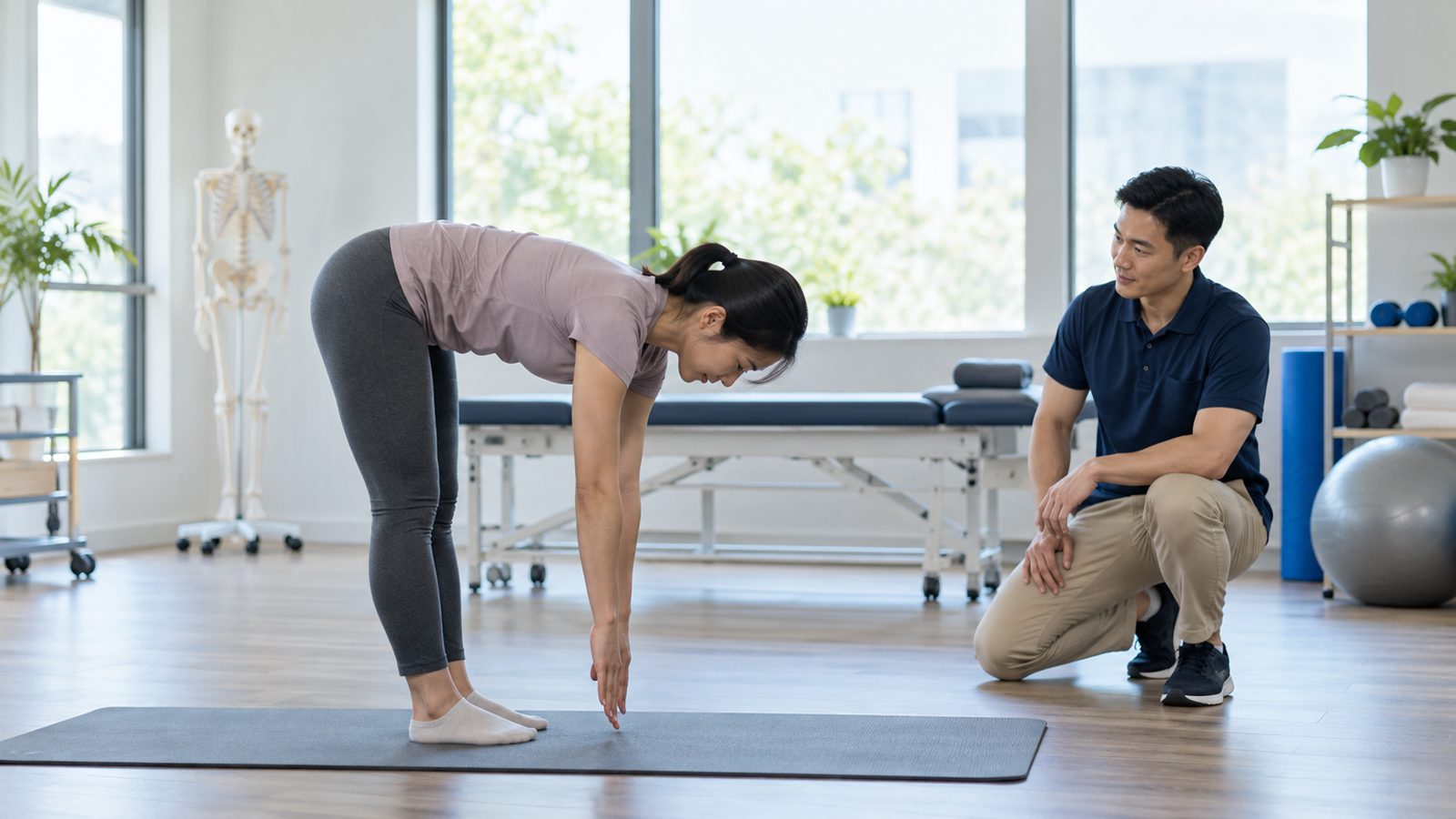
- Posture & range of motionForward head posture, pelvic tilt, and the range and pain of bending forward, backward, and rotating are usually observed.
- PalpationA hands-on check of joint movement, muscle tension and tenderness, and warmth.
- Orthopedic testsNeck compression and distraction tests, the lumbar Kemp test, single-leg standing back extension, and similar tests are used to narrow down the painful structure.
- Neurological examSensation, strength, and reflexes are checked to look at nerve status.
- Outcome measuresNeck and back disability indexes (NDI, ODI) and pain scores are commonly used to track changes.
How it's managed
Joint mobilization & muscle releaseKnown manual methods move joints that have become stiff and relax tense muscles, avoiding painful positions as a rule. They are performed by professionals qualified in the relevant country, and whether they are appropriate is decided after an assessment.
Core stabilizationOnce pain begins to settle, spinal stabilization and strength exercises usually begin. Less pain does not mean function has recovered.
Neck exercisesDaily exercises to maintain neck range of motion, plus low-impact activity, are recommended.
Daily habitsIt helps to identify postures and activities that make it worse and to review the work setup, such as monitor height. Heat is also commonly used.
Tracking progressThe pace of improvement varies from person to person. Progress is usually checked through re-assessment, and if there is no response, other causes are reconsidered.
Exercise within a pain-free range, and stop if pain starts.
When to see a doctor first
- Numbness in both legs, reduced sensation around the anus or groin, inability to urinate or leaking urine, loss of bowel control → go to the emergency room immediately
- Noticeable or worsening weakness in the arms or legs → neurologist
- Pain that started after an accident or fall, or a suspected fracture
- Pain with weight loss, a history of cancer, pain that worsens at night, or high fever
- A history of long-term steroid use, diabetes, or drug or alcohol misuse needs to be checked first
Related columns
Back pain when you lean back, back pain when you bend forward The Pain Is Better, So Why Keep Exercising?
 When should I see a doctor? Warning signs of back pain
 Stiff neck in the morning? Start by checking your monitor height
This article is for general health information. Everyone's condition is different, so an accurate assessment requires consulting a professional.